



contact@vanithasnutricare.com
Mon to Sat - 8:00 am to 8:00pm (Sunday Closed)
In recent years, the term “inflammation” has become a buzzword in the world of health and nutrition and for good reason. Chronic inflammation has been linked to a range of diseases, from arthritis and heart disease to diabetes and even depression. But here’s the good news: you can reduce inflammation naturally through the foods you eat every day. This article explores how anti-inflammatory foods work, what to include in your diet, and how small daily choices can help you heal from within.
Inflammation isn’t always bad in fact, it’s your body’s natural defense mechanism. When you get injured or infected, your immune system sends white blood cells to the affected area to fight off harmful invaders. This short-term, or acute, inflammation is beneficial and necessary for healing.
The problem begins when inflammation becomes chronic. Long-term inflammation can silently damage cells and tissues, leading to conditions like obesity, type 2 diabetes, heart disease, and autoimmune disorders. Factors such as poor diet, stress, lack of sleep, and exposure to toxins can all trigger or worsen this hidden inflammation over time.
Your diet plays a key role in either fueling or fighting inflammation. Some foods especially those high in refined sugar, trans fats, and processed ingredients activate inflammatory pathways in the body. Others, like fruits, vegetables, and healthy fats, help calm the immune response and repair damaged tissues.
Anti-inflammatory foods are rich in antioxidants, phytonutrients, and omega-3 fatty acids. These compounds help neutralize free radicals unstable molecules that cause oxidative stress and trigger inflammation. In other words, the food you eat every day can literally switch off or turn on your body’s internal healing mechanisms.
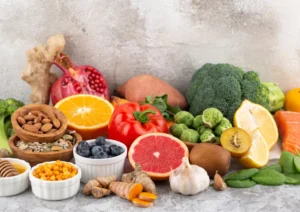
Let’s look at some of the most powerful anti-inflammatory foods you can easily include in your daily meals:
1. Fatty Fish: Salmon, sardines, mackerel, and trout are rich in omega-3 fatty acids that reduce inflammatory chemicals in the body. Aim to include them two to three times a week.
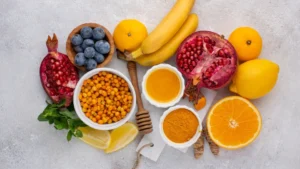
2. Berries: Blueberries, strawberries, and raspberries are loaded with antioxidants that fight oxidative stress and support the immune system.
3. Leafy Greens: Spinach, kale, and Swiss chard are rich in chlorophyll and fiber, helping detoxify the body and support gut health both key to reducing inflammation.
4. Turmeric: This golden spice contains curcumin, a compound proven to have powerful anti-inflammatory and antioxidant effects. Pair it with black pepper to boost absorption.
5. Nuts and Seeds: Almonds, walnuts, chia seeds, and flaxseeds provide healthy fats and magnesium nutrients that help balance inflammation in the body.
6. Olive Oil: Extra virgin olive oil is a cornerstone of the Mediterranean diet and contains oleocanthal, a compound that works similarly to anti-inflammatory drugs (but naturally).
7. Green Tea: Rich in polyphenols, green tea supports metabolism and reduces inflammatory markers in the blood.
Just as some foods heal, others harm. Diets high in refined carbs, sugar, and trans fats can cause inflammation to spike. Processed meats, sugary drinks, white bread, and fried foods are among the top culprits. These foods cause blood sugar spikes and oxidative stress, which over time wear down your body’s ability to repair itself.
Alcohol and excessive caffeine can also contribute to inflammation, especially when consumed in large quantities. The key isn’t perfection, but balance focus on reducing the foods that inflame and increasing those that nourish.
About 70% of your immune system resides in your gut, making gut health a crucial player in inflammation control. A balanced gut microbiome filled with diverse, beneficial bacteria helps regulate immune responses and prevent unnecessary inflammation. On the other hand, poor gut health and imbalanced bacteria can trigger chronic inflammatory reactions throughout the body.
Eating fiber-rich foods, fermented products like yogurt and kimchi, and staying hydrated helps maintain a healthy gut environment. When your gut thrives, your immune system functions smoothly, reducing your overall inflammatory burden.
While food is the foundation, lifestyle choices amplify its effects. Regular movement, deep sleep, and stress management all play essential roles in reducing inflammation. Even a 30-minute walk can improve circulation and lower stress hormones. Practicing mindfulness or meditation helps calm the nervous system, while good sleep allows the body to repair itself overnight. Together with proper nutrition, these habits create a strong anti-inflammatory lifestyle blueprint.
Building an anti-inflammatory meal doesn’t have to be complicated. Start with a base of colorful vegetables, add a source of lean protein like fish or lentils, include healthy fats like olive oil or avocado, and finish with herbs and spices such as turmeric or ginger. The more color and variety you include, the more antioxidants and nutrients you provide your body to fight inflammation naturally.
Inflammation may be an invisible enemy, but you have the power to control it with every bite. By choosing whole, natural foods and reducing processed options, you help your body repair, renew, and thrive. Remember, lasting change comes from consistency, not restriction. Every anti-inflammatory meal you eat brings you one step closer to a healthier, stronger, and more vibrant version of yourself. Healing truly begins from within and your plate is the best place to start.

We are dedicated to transforming lives through evidence-based, personalized nutrition. At Nutri Care, we believe that balanced eating is the foundation of lasting health and well-being.