



contact@vanithasnutricare.com
Mon to Sat - 8:00 am to 8:00pm (Sunday Closed)
In recent years, the way we think about vitamins and nutrition has changed dramatically. The global wellness movement in 2025 has brought a renewed focus on food as medicine. People are realizing that while supplements have their place, the most powerful source of vitamins still comes from the foods we eat daily. This shift isn’t just a health fad—it’s a return to balance, where nature provides the nutrients our bodies were designed to use in their most bioavailable form. From vitamin D in mushrooms to magnesium in leafy greens, every meal can be a healing act if we learn how to build it wisely.
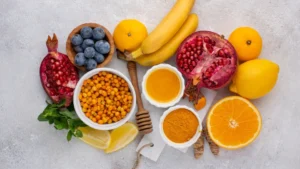
Food-based vitamins have become a major trend in the wellness industry, and for good reason. Unlike synthetic supplements, natural foods contain a symphony of nutrients that work together. For example, when you eat an orange, you’re not only getting vitamin C but also bioflavonoids, fiber, and water—all of which enhance absorption and overall health. This synergy doesn’t happen when you take isolated pills. Researchers now emphasize that vitamins consumed through whole foods are more effectively absorbed and utilized by the body, reducing the risk of imbalances or overdosing that can occur with excessive supplementation.
Another reason this food-first approach is gaining attention is sustainability and safety. Many supplements are over-processed, use artificial fillers, or lack transparency about ingredient sources. In contrast, a well-balanced diet rich in seasonal produce, grains, nuts, and proteins provides a complete nutrient profile without the side effects. Moreover, consumers today are more aware of the impact of over-supplementation and prefer to “eat their way” to better health. This is why nutritionists and wellness coaches worldwide are advocating a shift toward mindful, real-food nutrition.
Vitamin D has become a global talking point, especially post-pandemic, as studies continue to show its critical role in immunity, mood regulation, and bone strength. Although sunlight remains the most effective natural source, many people—especially those who work indoors—do not get enough exposure. This has made food-based vitamin D more important than ever. Fatty fish such as salmon and sardines, egg yolks, and mushrooms exposed to UV light are all rich in vitamin D. For vegetarians and vegans, fortified dairy and plant-based milks can help bridge the gap. To ensure proper absorption, pair vitamin D-rich foods with healthy fats like olive oil, avocado, or nuts, as vitamin D is fat-soluble.
In an age of constant work and digital overload, stress-related deficiencies are on the rise. Magnesium and B vitamins are two of the most underrated yet essential nutrients for managing modern stress, supporting energy levels, and improving sleep quality. Magnesium is crucial for over 300 enzymatic functions in the body and is abundant in foods such as spinach, almonds, pumpkin seeds, and legumes. B vitamins—particularly B6, B12, and folate—support mood and energy metabolism. They are best found in whole grains, eggs, dairy, fish, and leafy greens. Deficiency in these vitamins can lead to fatigue, irritability, and brain fog, making them indispensable in a balanced diet. For vegetarians, fortified cereals or nutritional yeast can help meet B12 needs naturally.
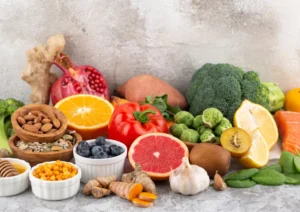
Vitamin C and vitamin K are two powerful allies for immune and cardiovascular health. Vitamin C, found abundantly in citrus fruits, bell peppers, and berries, supports collagen production, wound healing, and resistance to infections. Vitamin K—especially the K2 variant—helps transport calcium to bones and away from arteries, preventing calcification. Dark leafy greens like kale, spinach, and broccoli are excellent sources. When combined, these vitamins support stronger immunity, better bone density, and healthier aging. To get the most benefit, it’s best to consume vitamin C-rich foods fresh and raw, as cooking can destroy their potency. Pair vitamin K foods with a source of fat, such as nuts or olive oil, to improve absorption.
Eating vitamin-rich foods is only part of the story. How you prepare and combine them makes a major difference in how effectively your body absorbs nutrients. For example, pairing vitamin C-rich foods like tomatoes or oranges with iron-rich lentils or spinach helps enhance iron absorption naturally. Similarly, adding a drizzle of olive oil to your salad can significantly boost the uptake of fat-soluble vitamins like A, D, E, and K. Lightly steaming or sautéing vegetables helps preserve water-soluble vitamins better than boiling them for long periods.
Fermented foods like yogurt, kimchi, and sauerkraut not only introduce beneficial probiotics but also increase the bioavailability of certain B vitamins and minerals. Sprouting grains and legumes before cooking also reduces antinutrients like phytates, making it easier for your body to access the minerals within. Avoid pairing coffee or tea immediately with meals, as tannins can inhibit the absorption of iron and other minerals. Instead, enjoy them about 30 minutes after eating. Small tweaks like these can transform your meals from simply nutritious to deeply nourishing.
To make food-based vitamin intake easier, here’s an example of a balanced day plan that’s designed to cover your nutritional bases while staying delicious and simple to follow.
Start your morning with a spinach and mushroom omelet cooked in olive oil, paired with a small bowl of fresh papaya or orange slices. This combination delivers vitamin D, B-complex, and a strong dose of vitamin C. The olive oil helps you absorb fat-soluble nutrients, while the fruit provides hydration and antioxidants.
For lunch, enjoy a bowl of quinoa or brown rice topped with grilled salmon or tofu, sautéed broccoli and bell peppers, and a side of mixed greens. A lemon-tahini dressing adds vitamin E, calcium, and healthy fats for better absorption. This meal is a powerhouse of vitamins A, D, K, and several B vitamins, offering balanced energy without heaviness.
Midday fatigue can be fought with a simple snack of Greek yogurt mixed with berries and chia seeds. This offers a combination of vitamin B12, calcium, magnesium, and antioxidants, while also supporting gut health. For a vegan alternative, try fortified plant-based yogurt with flaxseeds.
End the day with a colorful stir-fry of kale, bell peppers, and tofu, cooked lightly in sesame oil and garnished with sesame seeds. Add a small serving of fermented vegetables like kimchi or pickled cucumbers to aid digestion and vitamin synthesis. This dinner supports recovery, relaxation, and cellular repair—key aspects of nighttime nutrition.
While a food-first approach is ideal, there are times when supplements may be necessary. Individuals with medical conditions, dietary restrictions, or limited sun exposure may need targeted support. For example, vitamin D supplementation can be crucial in areas with low sunlight or during winter months. Similarly, strict vegetarians may need to supplement vitamin B12, as plant foods rarely provide adequate amounts. However, supplementation should be based on blood tests and professional advice, not guesswork. Overuse of fat-soluble vitamins like A, D, E, and K can lead to toxicity, which is why food remains the safest and most sustainable route.
The wellness industry is now moving toward personalization. DNA-based nutrition testing, gut microbiome analysis, and wearable technology are helping people understand how their bodies absorb and utilize vitamins. This allows for highly individualized diets that emphasize natural sources while filling gaps strategically. At the same time, sustainability is becoming a major consideration. Regenerative farming, soil health, and biodiversity directly affect the nutrient density of foods, meaning your health is increasingly tied to the health of the planet. Eating seasonal, local, and organically grown foods isn’t just good for the environment—it’s better for your vitamin intake too.
The future of health is not in a bottle but on your plate. Food-based vitamins offer a holistic approach to nutrition that nourishes not just the body but also the mind and environment. By eating consciously, combining foods intelligently, and respecting how nature designed nutrients to work together, you can create long-term wellness that no pill can replicate. In 2025 and beyond, the smartest wellness trend is the oldest one of all—trusting real food to do its job. So next time you plan a meal, remember that every bite is an opportunity to build health from the inside out.

We are dedicated to transforming lives through evidence-based, personalized nutrition. At Nutri Care, we believe that balanced eating is the foundation of lasting health and well-being.